October 26, 2026
Looking for a Flatbed Freight Quote? Here Are 10 Things You Should Know
Looking for a Flatbed Freight Quote? Here Are 10 Things You Should Know

A precise flatbed freight quote requires confirmed dimensions, total weight, loading and unloading methods, tarping requirements, and exact lane data. Assured Logistics uses an equipment-first approach across the 11 Western states to return accurate pricing and reliable open-deck capacity.
A useful flatbed freight quote starts with more than an origin and destination. The right equipment, load details, timing, and site requirements all affect how a shipment should be planned and priced.
If you ship lumber, engineered wood, or building materials across the West, preparing these 10 details can help your freight provider return a more accurate rate and set clear expectations before tender.
1. Describe the commodity and its dimensions
“Lumber” or “building materials” is a starting point, not a complete load description. Identify what you’re shipping: dimensional lumber, panels, engineered wood, trusses, or another product.
Share the number of bundles or pieces and the dimensions of each unit. Include the loaded dimensions if the freight will be stacked or arranged in a particular way. Photos, a packing list, or a loading diagram can help clarify unusual shapes and overhang.
Accurate dimensions help determine whether the freight fits a standard flatbed or needs different equipment.
2. Confirm the total weight
Provide the total shipment weight and, when available, the weight of each bundle or piece. An estimate is useful for an initial discussion, but a confirmed weight helps avoid changes once the load is ready.
Weight affects equipment suitability, load distribution, and securement planning. If you expect the shipment to vary from load to load, explain the typical range and flag any unusually heavy units.
3. Explain how loading and unloading will work
Tell your provider how the freight will be loaded and removed. Is it forklift-loaded, crane-loaded, or handled another way? Will the driver be expected to assist, or will your team manage loading and unloading?
Share site details that affect access, too. These might include appointment rules, receiving hours, space for a full-size truck, jobsite access instructions, or a required check-in process. At delivery, clarify which equipment and personnel will be available to unload.
4. Specify securement and tarp requirements
Explain how the product should be protected during transit. Does it need to be tarped? Must it stay dry, or is basic protection from road spray sufficient? Are there specific requirements for straps, chains, edge protection, stakes, blocking, or dunnage?
Requirements depend on the load and how it is packaged. Bundled lumber, for example, has specific securement provisions in 49 CFR § 393.118. Share your loading details so securement can be considered for the actual shipment, not assumed from a generic description.
5. Provide the lane and timing
A flatbed freight quote needs exact pickup and delivery locations, not just city names. Include addresses or ZIP codes, requested pickup date, delivery deadline, and any appointment windows.
Mention extra stops, flexible dates, or route constraints. For recurring freight, share expected frequency and approximate volume. A regular shipping program may need a different capacity plan than a one-time project load.
6. Identify the equipment, or ask for guidance
A standard flatbed may suit many lumber and building-material loads. A step deck may be more appropriate when the load’s height or loading needs call for a lower deck. A Conestoga can provide covered transport with an open-deck loading format. Equipment availability and usable dimensions should be confirmed for each shipment.
If you’re unsure, provide the commodity, dimensions, weight, and loading method. Assured Logistics uses an equipment-first approach: we review the shipment requirements before recommending equipment.
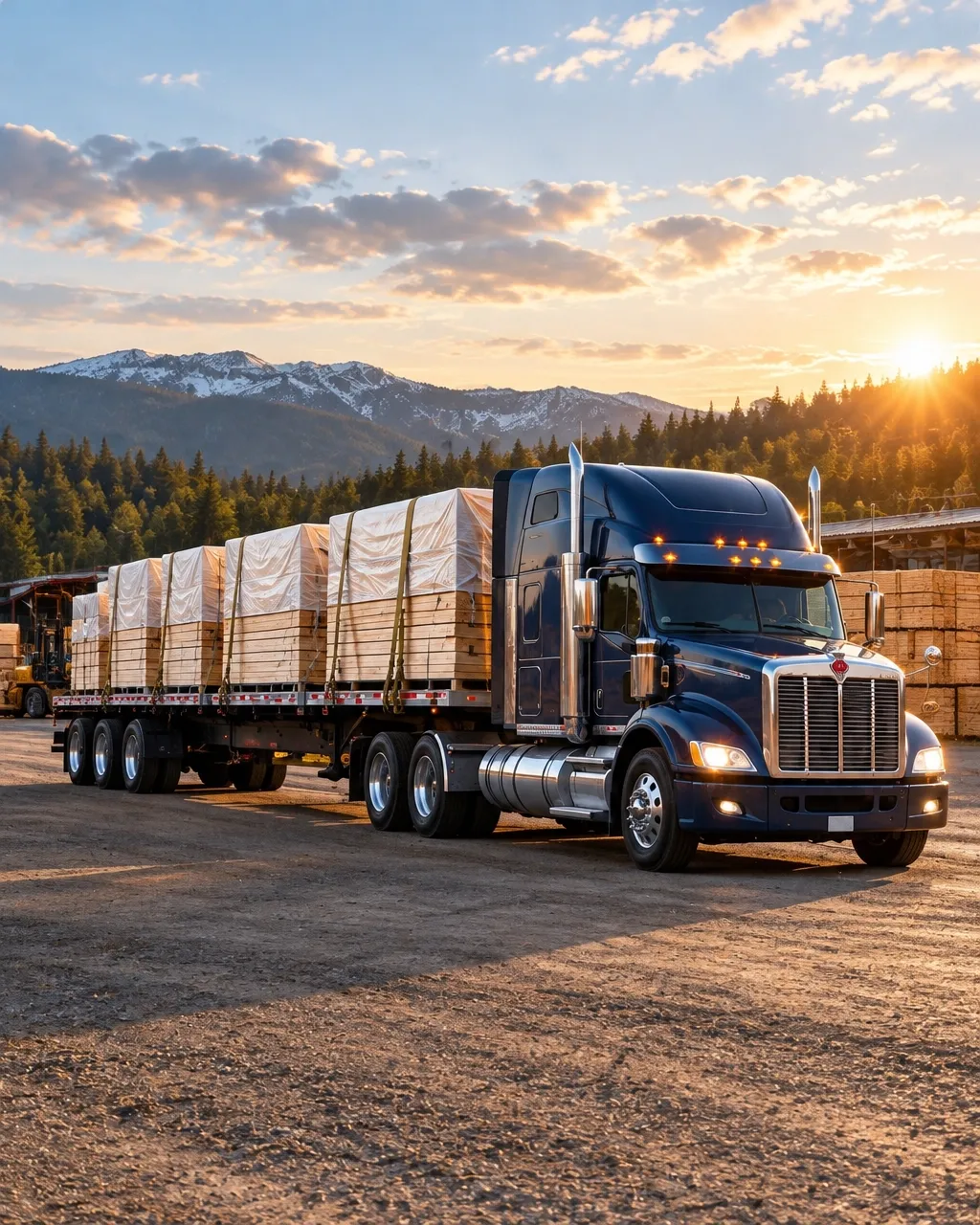
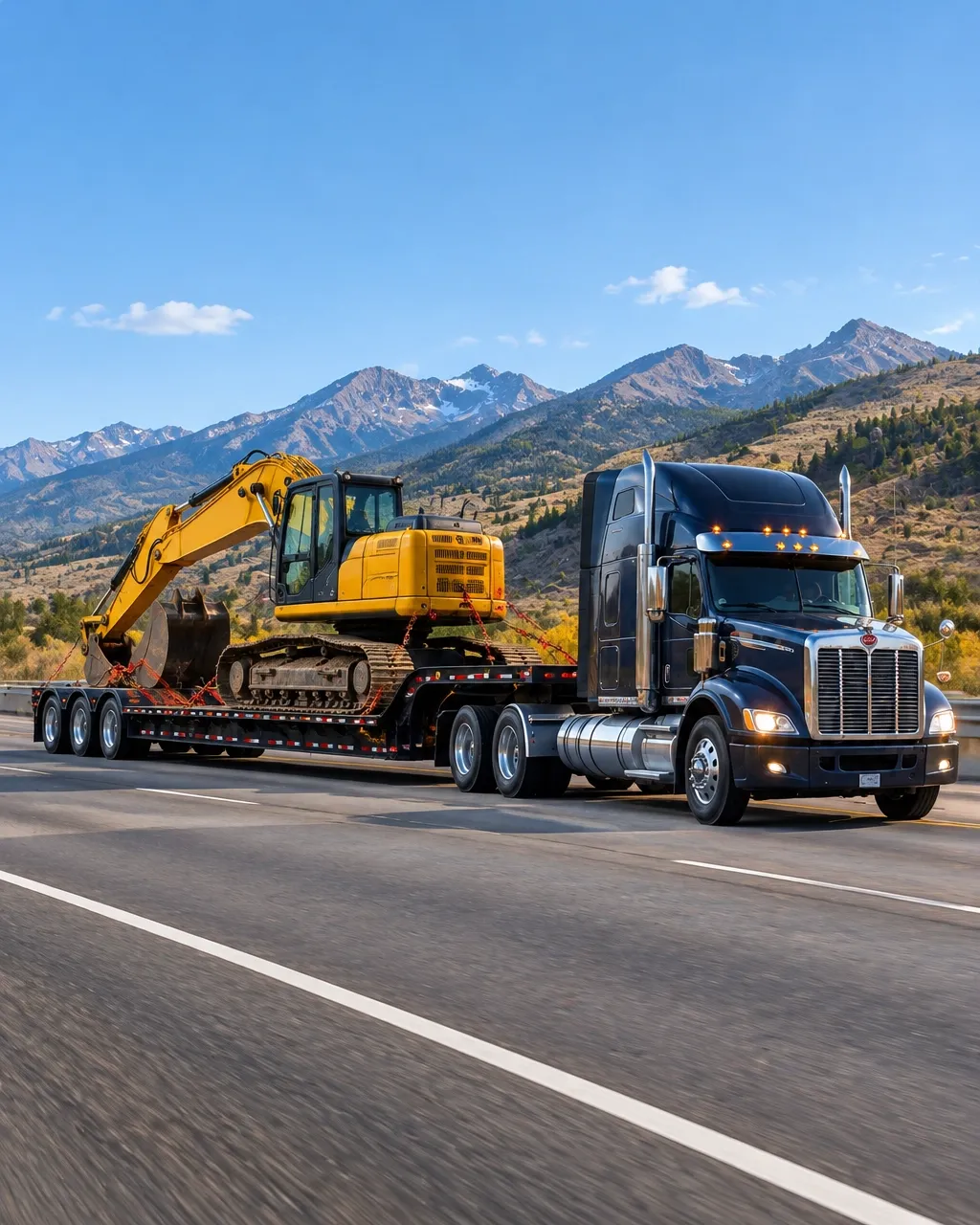
See Assured Logistics’ flatbed and open-deck services for more about the equipment we arrange.
7. Account for seasonal and lane-specific capacity
Capacity and pricing can change with the lane, equipment type, lead time, and time of year. Construction activity, regional shipping patterns, weather, and the availability of trucks returning from a destination can all affect a particular move.
That does not mean every lane follows the same seasonal pattern. Share your pickup window as early as you can, especially for date-sensitive or recurring shipments. If the schedule has flexibility, say so; your provider can discuss how that affects the available options.
8. List accessorial needs before the load is tendered
Accessorial charges can apply when a shipment needs services beyond standard pickup and delivery. Flag requirements such as extra stops, tarp service, special site access, appointments, or extended loading or unloading time.
Ask which services are included in the quote and which would be priced separately. Confirm the applicable terms for waiting time and any special handling. Clear expectations in advance help both sides understand what the quoted rate covers.
9. Give your broker the details needed for an accurate rate
A broker can provide more useful rate guidance when the shipment information is complete. Before requesting a quote, gather:
- Commodity, number of units, dimensions, and total weight
- Pickup and delivery addresses, dates, and appointment requirements
- Loading and unloading methods, equipment, and site instructions
- Trailer preference, tarp requirements, and securement details
- Stops, accessorial needs, and any timing flexibility
If some information is not confirmed, identify what is estimated. Assured Logistics aligns capacity, pricing, and execution details with you before a load is tendered. That gives you a chance to review the plan and clarify assumptions.
10. Equipment-first quoting helps set the load up properly
A low rate is not useful if the equipment or service plan does not fit the shipment. Quoting should account for the commodity, loaded dimensions, weight, lane, schedule, and securement needs, not just the mileage.
For recurring flatbed freight, consistent information also helps your provider understand the program and plan repeat loads. Assured Logistics focuses on full truckload flatbed and open-deck freight, including flatbed, step deck, and Conestoga options. Our regional focus covers California, Oregon, Washington, Idaho, Nevada, Utah, Montana, Wyoming, Colorado, Arizona, and New Mexico, along with connected Lower 48 lanes.
From quote through delivery, one accountable team manages the shipment and provides proactive updates when milestones are reached or plans change. Learn more about tracking and shipment communication.
Request a flatbed freight quote
When you’re ready, send the commodity, dimensions, weight, lane, timing, equipment requirements, and any loading or site details you have. If you don’t know which trailer is right, say so: we can review the load information and discuss the options before tendering.
Request a flatbed freight quote from Assured Logistics for your recurring or project truckload freight.